Continuing the Career Path
As Registered Interior Designers gain more experience in the field, they may concentrate in a design approach or design specialty to define their career expertise. Please see the lists below.
Design Approaches
Also referred to as Green Design, this design approach focuses on the impact that design and construction have on the environment, including the interior environment in which people live and work. This can also encompass economic, ethical and social aspects and impacts of design.
This design approach evolved from Accessible Design, which addresses the needs of people with disabilities. Universal Design strives to accommodate the range of abilities of all humans in different stages of their lives, creating interior environments and products that are easy for everyone to use.
Evidence-Based Design (EBD) is traditionally associated with Healthcare and scientific studies that support that design can improve patient outcomes. However, evidence based design in its broader definition is any interior design based on research, scientific studies, that supports the principle that design can improve the quality of life for occupants of interior spaces.
Design Specialties
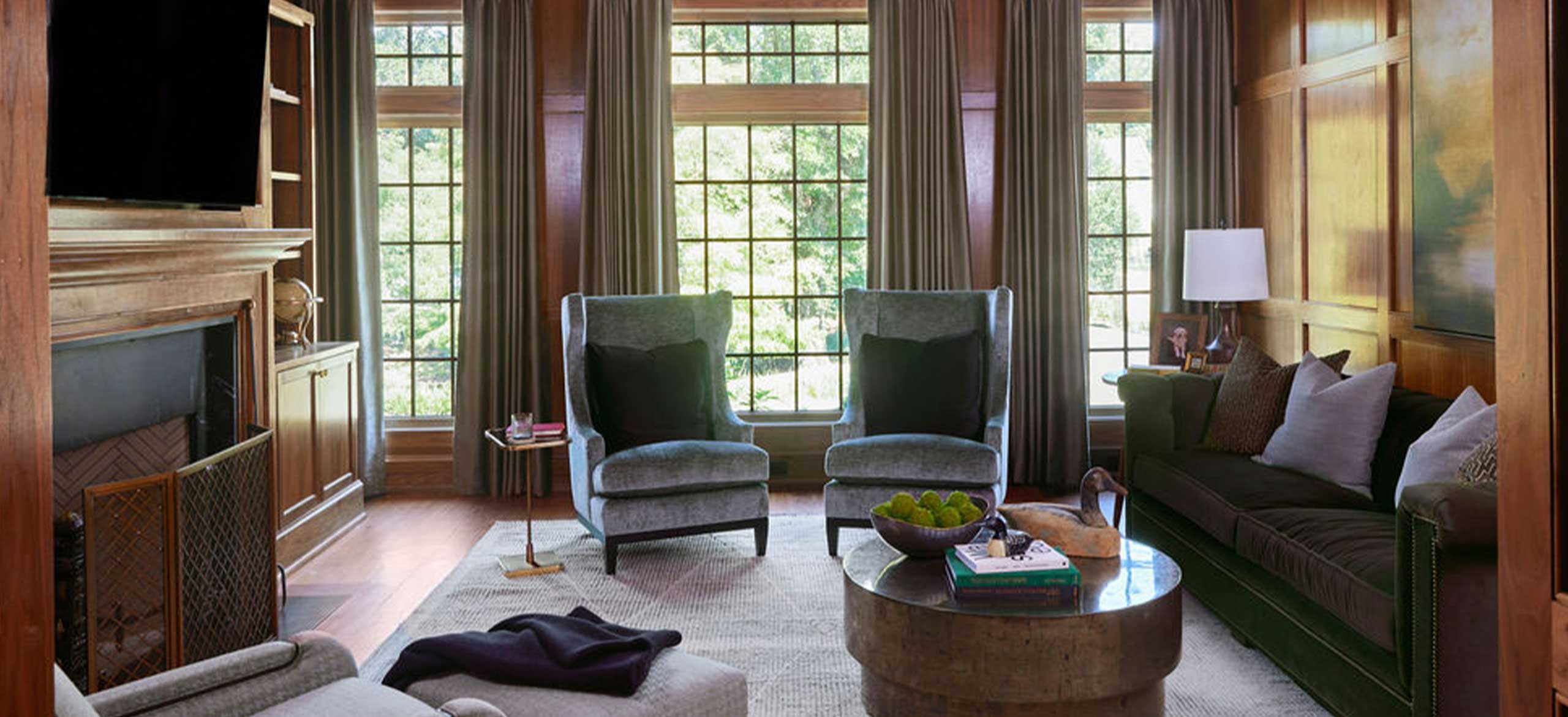
Residential interior design focuses on the design, planning, specifying/purchasing and installation of furnishings in private homes, including the specialty areas of the kitchen, bath, home theater, home office, and custom product design. Interior projects include new construction, renovation, historic renovation and model homes, with expertise in universal and sustainable design.
Frequently referred to as contract design, commercial design focuses on the coordination, planning, budgeting, specifying/purchasing and installation of furnishings in interior environments used for commercial, government or educational purposes. Examples of commercial or contract design are:
Healthcare
Healthcare interior design requires additional knowledge and experience to implement the healthcare guidelines in place to protect patients from hospital related infections (HRI). The interior environments of healthcare facilities rely heavily on Evidence-Based Design (EBD) and play a vital role in protecting the health, safety and welfare of the public. Healthcare designers are involved in projects including hospitals, clinics, hospice care, nursing and assisted living homes or any healthcare or healing facilities.
Government
This specialized area of design addresses very specific requirements for projects including government offices, federal buildings such as courts and embassies, as well as military bases.
Institutional
Institutional interior design focuses on childcare, educational and religious facilities. This specialized area of design may also focus on correctional facilities, police and fire stations, libraries and transportation terminals.
Office/Corporate
Office interior design, also referred to as corporate design, mainly focuses on the interior work environments encompassing public and private areas within a firm or corporation.
Hospitality
Hospitality design focuses on environments that entertain or host the public, including nightclubs, restaurants, theaters, hotels, cruise ships and conference facilities.
Retail/Store Planning
Retail design and store planning concentrate on retail venues, including boutiques, department stores, outlets, showrooms, food retailing centers and shopping malls.
Entertainment
Entertainment design brings together the use of interiors, lighting, sound and other technologies for movies, television, videos, dramatic and musical theater, clubs, concerts, theme parks and industrial projects.
Facilities management
Product and furniture design
Set and stage design
Exhibit design
Becoming an Interior Design Educator
Interior Designers who are considered experts in their specialized fields may teach CEU classes. The CEU’s are regulated and must go through an approval process. For more information please visit idcec.org.
In order to become an instructor of interior design for college level academics, a PhD – Doctorate of Philosophy, or an MFA – Masters of Fine Arts degree is needed.